
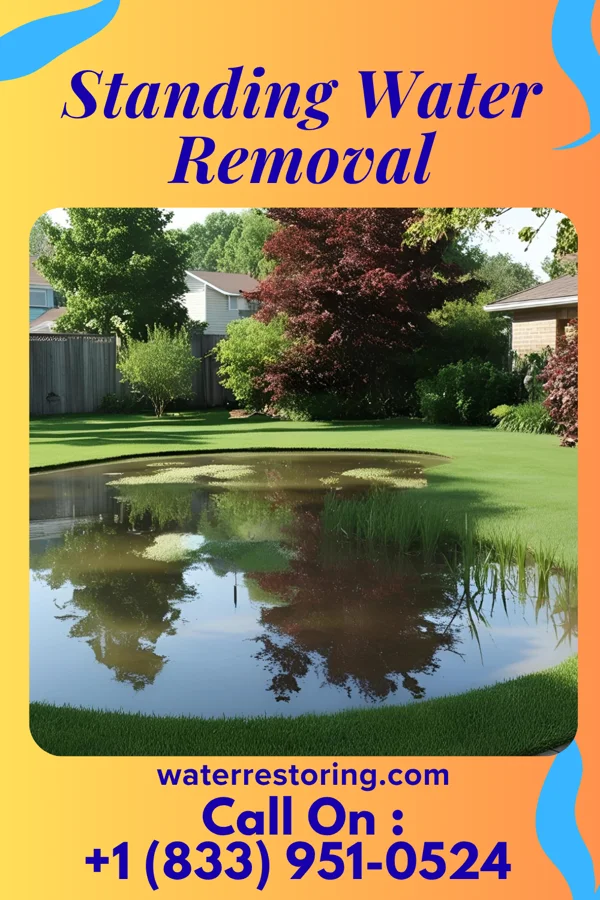
Why Port St. John Standing Water Demands Fast Removal
Most water damage emergencies in Port St. John start with In Port St. John, Florida, the primary water damage causes include flooding from nearby waterways, heavy rainfall during hurricane season, and leaking septic tanks in older homes. The area's proximity to the Indian River Lagoon increases the risk of water intrusion during storms.. A close second is Secondary causes include plumbing leaks from aging infrastructure, burst pipes during extreme weather, and groundwater seepage into basements of homes built on low-lying land. Poor drainage systems in some neighborhoods exacerbate these issues.. From the second water touches the property, every minute changes what gets saved and what gets ripped out.
Port St. John experiences a tropical climate with high humidity and frequent thunderstorms, especially during the summer months. The region is also at risk for flooding due to its low elevation and proximity to coastal waters.
Most standing water removal calls in Port St. John come from In Port St. John, Florida, the primary water damage causes include flooding from nearby waterways, heavy rainfall during hurricane season, and leaking septic tanks in older homes. The area's proximity to the Indian River Lagoon increases the risk of water intrusion during storms.. Running a close second is Secondary causes include plumbing leaks from aging infrastructure, burst pipes during extreme weather, and groundwater seepage into basements of homes built on low-lying land. Poor drainage systems in some neighborhoods exacerbate these issues.. Local mold risk: Mold growth can occur rapidly in Port St. John due to high humidity and frequent water exposure, making it critical to address water damage within 24 hours to prevent mold contamination and structural damage.